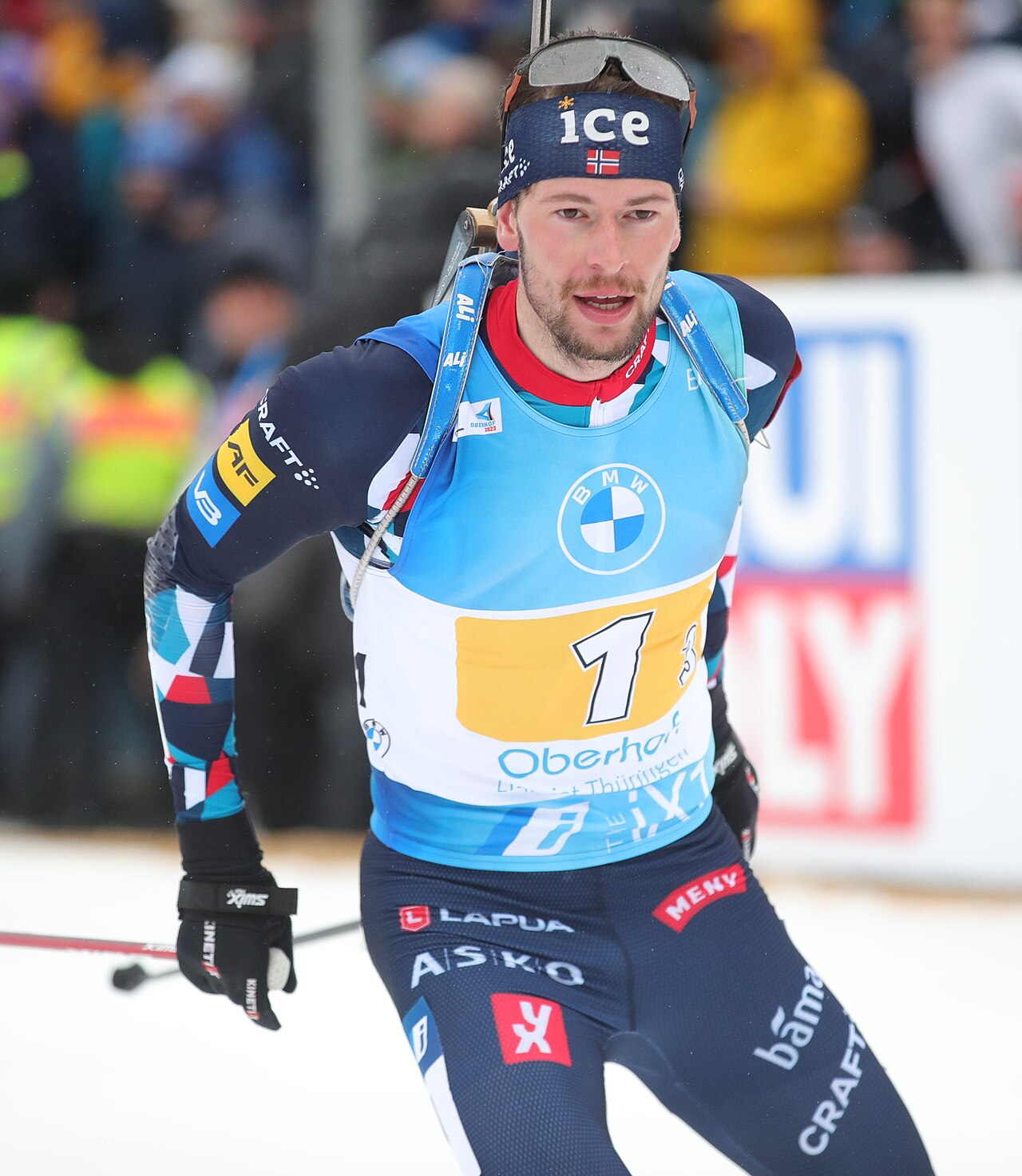
Sturla Holm Laegreid: A Stellar Olympic Performance Amidst Personal Storms at Milano Cortina
The name
Sturla Holm Laegreid has become synonymous with both extraordinary athletic prowess and unexpected personal revelations at the Milano Cortina 2026 Winter Olympics. The Norwegian biathlon star, a recognized force on the world stage, secured an impressive four Olympic medals during the Games, cementing his status as one of the sport's elite. Yet, his remarkable achievements on the snow were frequently overshadowed by a series of off-track headlines, stemming primarily from a candid, viral confession of infidelity that captivated and divided audiences worldwide. This article delves into Laegreid's incredible medal haul, the controversies that thrust him into an unwanted spotlight, and the profound lessons learned by an athlete navigating the complexities of modern stardom.
A Champion's Haul: Laegreid's Milano Cortina Medal Collection
Even amidst the swirling media storm,
Sturla Holm Laegreid's performance at the Milano Cortina Games was nothing short of phenomenal. The 28-year-old Norwegian biathlete showcased exceptional skill, precision, and endurance, adding four Olympic medals to his already decorated career. His consistency across various disciplines demonstrated not only his physical conditioning but also a remarkable mental fortitude.
His journey to four medals began with a bronze in the challenging men's 20km biathlon. Just days later, he claimed another bronze in the fast-paced men's 10km sprint. The momentum continued to build, culminating in a silver medal finish in the men's 12.5km biathlon pursuit, where he battled fiercely, ultimately taking second place behind Sweden's gold medalist Martin Ponsiluoma. Laegreid's fourth medal, another silver, came as part of the fiercely competitive men's relay, further solidifying Norway's dominance in the sport.
These medals are not isolated achievements. Laegreid entered the 2026 Games with a proven track record, including a gold medal from the 2022 Winter Olympics as part of Norway's biathlon relay team and an impressive six World Championship titles. His ability to perform under immense pressure, both athletic and personal, underscores his exceptional talent and dedication. His medal haul at Milano Cortina — two silver and two bronze — is a testament to his unwavering commitment to excellence, even when facing significant distractions.
The Viral Confession: Navigating Personal Turmoil in the Public Eye
The trajectory of
Sturla Holm Laegreid's Olympic experience dramatically shifted after the men's 20km biathlon event. Following his bronze medal win, a post-race interview with a Norwegian television station saw Laegreid make a candid and emotional confession. He tearfully revealed that he had cheated on his now-former girlfriend, whom he referred to as "the love of my life," before arriving at the Olympics. This admission, which he later dubbed his "atomic bomb in the mixed zone," instantly went viral, sending shockwaves through the sports world and beyond.
Laegreid described how the personal turmoil had deeply affected him in the run-up to the Games and expressed a heartfelt desire to reconcile and restore the relationship. He revealed that he had informed his girlfriend of his infidelity before the competition began, suggesting a profound internal struggle even before the public revelation. While his honesty was lauded by some, others criticized the timing and impact of such a personal disclosure, especially given its immediate virality.
This episode thrust Laegreid into an unwanted spotlight, making him more than just an athlete. He became a focal point for discussions on morality, privacy, and the intense pressures faced by public figures. For a deeper look into this unprecedented situation, consider reading
Sturla Holm Laegreid: Olympic Medalist Amidst Cheating Confession.
The incident raises important questions about the psychological toll on athletes. Beyond the physical demands of elite competition, the mental and emotional burden of personal crises, especially when made public, can be immense. Laegreid's ability to compartmentalize and continue performing at an Olympic medal-winning level while battling such personal demons is a remarkable, if ethically complicated, display of mental fortitude. It highlights the often-unseen struggles behind the glamorous facade of professional sports.
Media Scrutiny and Lessons Learned: Beyond the "Atomic Bomb"
The fallout from
Sturla Holm Laegreid's initial confession extended beyond personal apologies and public debate. The newfound media attention amplified every subsequent action and statement he made. He quickly found himself under intense scrutiny, learning firsthand the power of a microphone and the swiftness with which words can be taken out of context or misinterpreted.
Another incident that garnered significant media attention involved a "war of words" with French biathlete Emilien Jacquelin. After narrowly beating Jacquelin for a bronze medal, Laegreid made a seemingly innocent joke in an interview, wondering if Jacquelin had "stopped to greet fans." This remark, intended as lighthearted banter between competitors who often train and socialize together, was misconstrued by many, leading to a wave of negative comments from Jacquelin's "fangirls" on social media. Laegreid, with a broad grin, later reflected on the incident, stating, "I mean, it's just joking with each other – I know a lot of French fangirls of Emilien are mad, but as long as there are still good vibes between me and him, that’s what matters." He emphasized that the Norwegian and French teams maintain a friendly rivalry, even playing video games together online.
However, the back-to-back incidents proved to be a harsh lesson for Laegreid. He candidly admitted to Reuters, "After my atomic bomb in the mixed zone (about his cheating), I feel like I need to really watch what I’m saying, because now, now that every statement from me can become clickbait." This realization underscores the immense pressure on athletes to not only perform but also to be flawless public speakers, every word scrutinized for potential controversy.
Ultimately, Laegreid expressed deep regret for how his personal confession had overshadowed the achievements of his teammates, particularly Johan-Olva Botn, who won gold in the same 20km event where Laegreid took bronze. In a statement, Laegreid apologized to both his ex-girlfriend and his teammates, acknowledging that he had brought up a personal story "on what was a festive day for Norwegian biathlon." For more insights into his regrets and media lessons, explore
Sturla Holm Laegreid Regrets Viral Confession, Learns Media Lesson.
The Dual Nature of Athletic Stardom: Performance vs. Personality
The saga of
Sturla Holm Laegreid at Milano Cortina perfectly illustrates the complex interplay between athletic performance and personal narrative in the age of instant media. Fans and critics alike are often left grappling with how to reconcile undeniable sporting brilliance with personal failings. Can one truly separate the athlete from the person?
This incident sparks broader discussions about the expectations placed on public figures. Are athletes obligated to be moral paragons, or should their performance on the field of play be the sole measure of their worth? Laegreid's situation forced a public reckoning with these questions, as his outstanding medal haul stood in stark contrast to the ethical implications of his personal choices. It highlighted that in today's media landscape, an athlete's personal life is often as much a part of their public persona as their professional achievements.
Resilience on the Slopes: A Testament to Focus
Despite the relentless personal and media pressures,
Sturla Holm Laegreid's ability to maintain focus and deliver at the highest level is a testament to his extraordinary mental resilience. His own words, "I have tried not to be affected by it," offer a glimpse into the internal battle he faced. To compete for Olympic medals, where fractions of seconds and precise aim dictate victory, requires an almost superhuman level of concentration. To achieve this while navigating a public scandal speaks volumes about his psychological strength.
Laegreid himself described the races as a "fight, for sure, big variations. We went from leading to pursuing, and then we were equal, and then it was a fight between us and France, so this really had it all." This quote could easily refer not just to the on-track competition but also to his internal struggle, battling distractions while striving for glory. His ability to compartmentalize, to channel intense emotions into focused performance, is a rare and invaluable trait for an elite athlete.
Conclusion
Sturla Holm Laegreid's journey at the Milano Cortina 2026 Winter Olympics was a captivating blend of triumph and turmoil. He emerged as a true biathlon star, securing four Olympic medals and reaffirming his place among the sport's elite. However, his extraordinary athletic achievements were undeniably intertwined with a deeply personal confession and subsequent media firestorm. Laegreid’s experience serves as a powerful case study in the modern sports landscape, demonstrating the unforgiving nature of public scrutiny and the delicate balance between an athlete’s private life and their public image. As Laegreid continues his career, the lessons learned about media engagement and the importance of mindful communication will undoubtedly shape his path forward, both as a world-class athlete and a public figure. His legacy from Milano Cortina will forever be defined by both the glint of his hard-won medals and the complex narrative that unfolded alongside them.